Reflections from BATTERY 2030+: Can Europe turn collaboration into a competitive advantage?
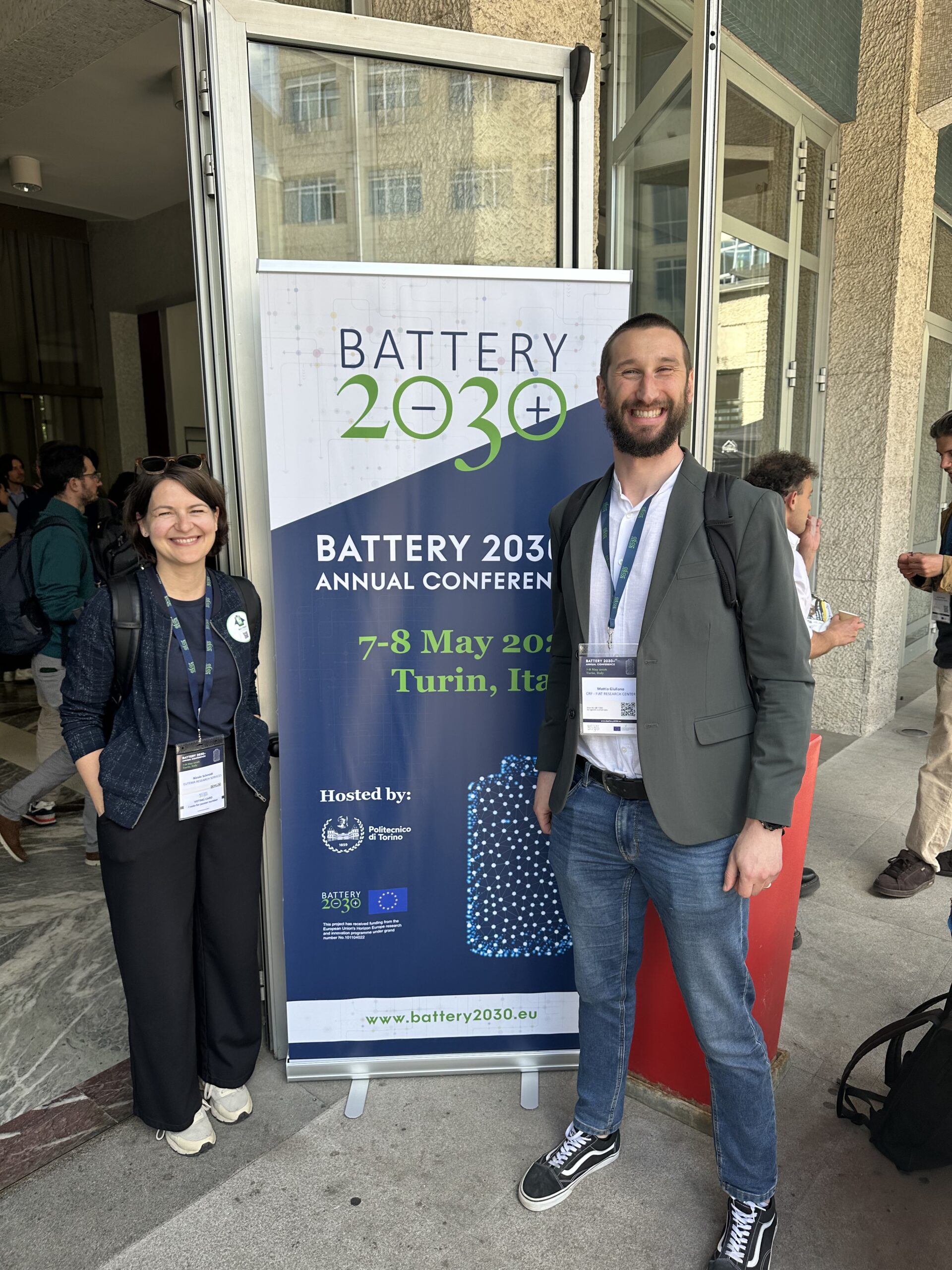
Last week, the NoVOC team attended the BATTERY 2030+ conference in Torino and returned with fresh inspiration, new connections, and important reflections on the future of Europe’s battery ecosystem.
One message was impossible to ignore throughout the event: the future is electric. Electrification is no longer a distant vision - it is already reshaping mobility, industry, and energy systems across the globe.
The more pressing question, however, is who will power this transition.
The Global Battery Race
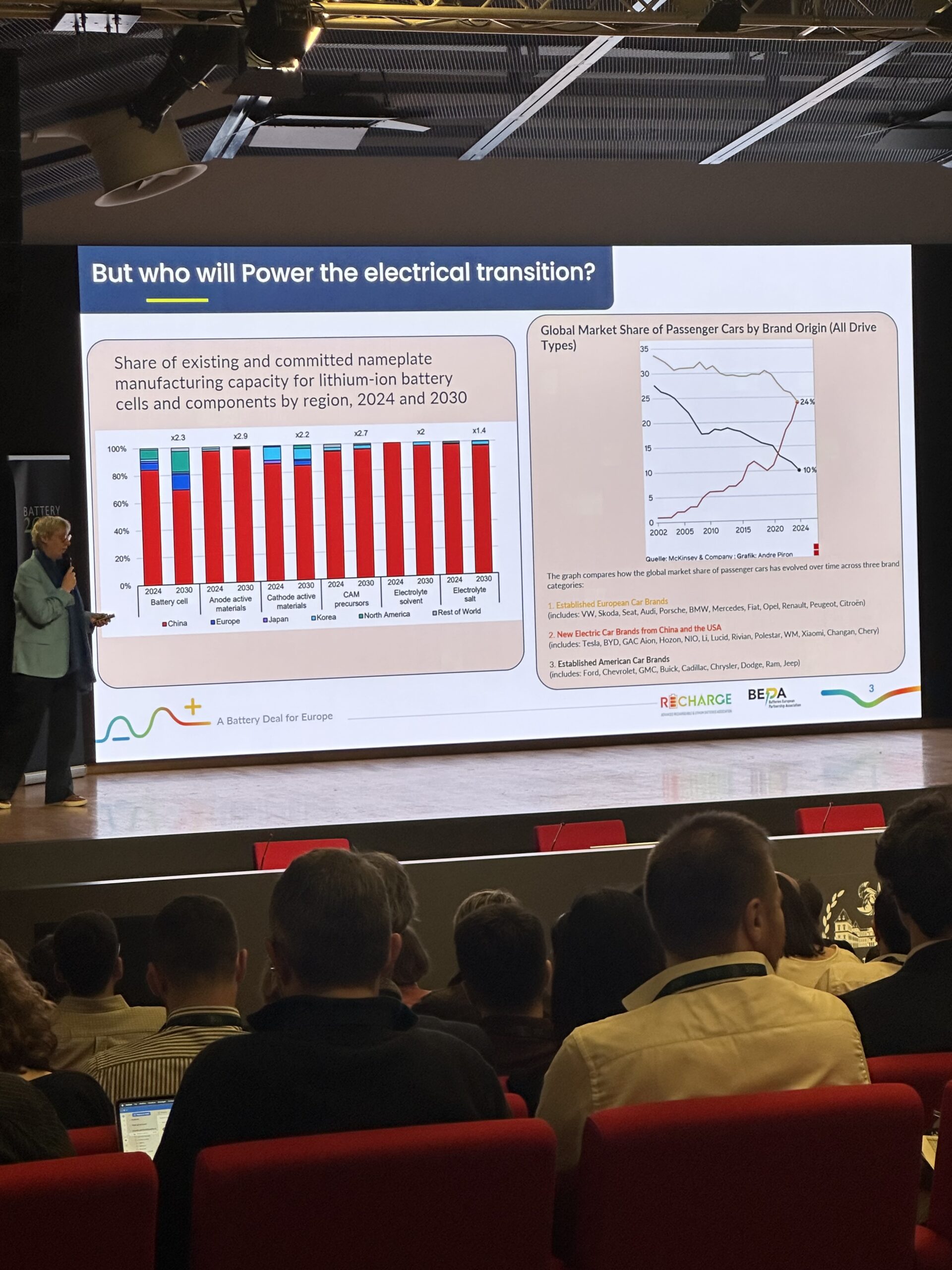
One conference slide captured the current reality with striking clarity: global battery manufacturing capacity remains heavily concentrated in Asia, particularly in China. While this is not new information, seeing the numbers presented again was a sobering reminder of the scale and speed of international competition.
Europe continues to face major challenges in scaling battery production, securing critical raw materials, and establishing resilient supply chains.
The NoVOC project itself emerged from the recognition that Europe urgently needs sustainable, scalable, and competitive battery manufacturing technologies. The project focuses on developing environmentally friendly lithium-ion battery manufacturing processes using aqueous and dry electrode processing routes with no volatile organic compounds (VOCs), reduced energy consumption, and lower manufacturing costs.
A Strong European Battery Community
Despite the challenges, the atmosphere at the conference was remarkably optimistic.
What stood out most was the strong sense of community across the European battery landscape. Researchers, industrial actors, policy experts, and students interacted not as isolated competitors, but as part of a growing ecosystem built on collaboration and shared ambition.
Many of the pioneers who helped shape Europe’s battery research agenda from the very beginning were present in Torino, including Kristina Edström, Patrik Johansson, Ilka von Dalwigk, Fabrice Stassin, and Silvia Bodoardo. Alongside them, a new generation of researchers and innovators is already stepping forward.
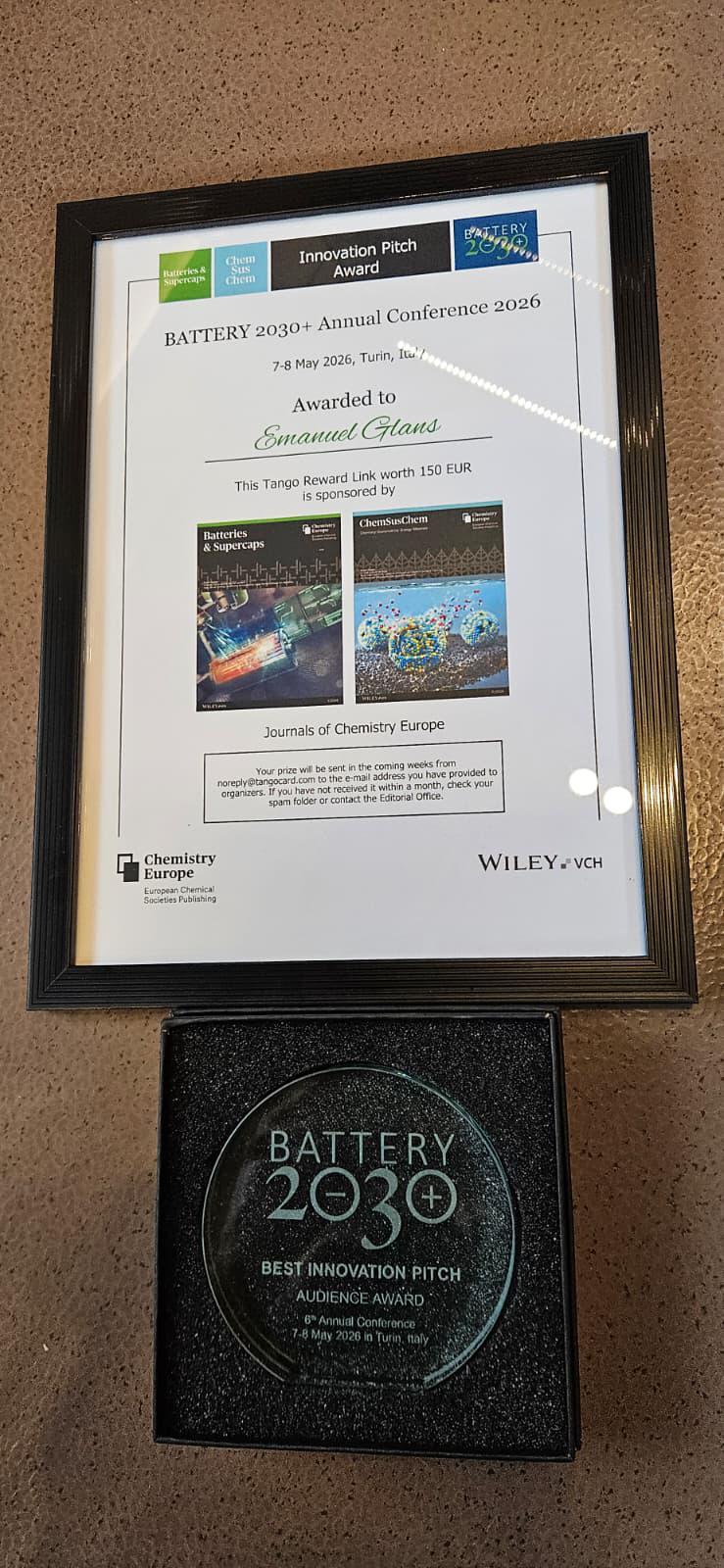
One particularly inspiring moment for the NoVOC team was seeing Emanuel Glans receive the Audience Award for Best Innovation Pitch - a strong sign that young researchers are not only contributing scientifically, but also learning how to communicate innovation effectively.
Why continuity matters
At the same time, the conference also highlighted a structural challenge that many Horizon Europe participants know well.
Large collaborative projects often spend their first years building trust, establishing communication channels, aligning methodologies, and creating efficient workflows between partners. By the time these ecosystems are fully functioning, projects are already approaching their final phase.
In many cases, three- or four-year project cycles provide just enough time to create effective collaboration - but not enough time to fully capitalise on it.
If Europe wants to create long-term impact in the battery sector, continuity will be essential.
Instead of repeatedly rebuilding networks, clusters, and collaborations from scratch, stronger long-term structures may be needed to preserve expertise, maintain trusted partnerships, and allow innovation ecosystems to mature over time.
Sustainability as Europe’s strategic opportunity
Another important takeaway from Torino was that Europe’s future competitiveness may depend less on matching global manufacturing volumes in the short term and more on leading in sustainable battery innovation.
This is where European projects are increasingly positioning themselves. NoVOC, for example, focuses not only on cleaner manufacturing processes but also on recycling and life-cycle assessment. The project aims to demonstrate that environmentally friendly manufacturing can also become economically competitive.
Europe may not yet dominate battery manufacturing capacity, but it has the opportunity to lead in defining what sustainable and responsible battery production should look like.
Looking ahead
The BATTERY 2030+ conference made one thing very clear: Europe has the expertise, creativity, and collaborative culture required to build a strong battery ecosystem.
The challenge now is transforming this collaborative energy into durable long-term structures that survive beyond individual projects and funding cycles.
Can Europe turn its collaborative spirit into a genuine long-term competitive advantage?
And what additional steps are needed to realise the vision of a truly connected, resilient, and fully charged European battery ecosystem?