
Find here our pre-prints and publications

Review paper: Dry battery electrode processing: Advances, challenges, and future outlook (October 2026)
Dry battery electrode (DBE) manufacturing offers a cleaner and more energy-efficient way to produce batteries by eliminating harmful solvents and energy-intensive drying processes. This review explores different dry manufacturing methods and how materials and production techniques influence battery performance. It also highlights the potential of dry processing for next-generation batteries, including solid-state batteries. Finally, it discusses the remaining challenges in scaling up these technologies for industrial production.
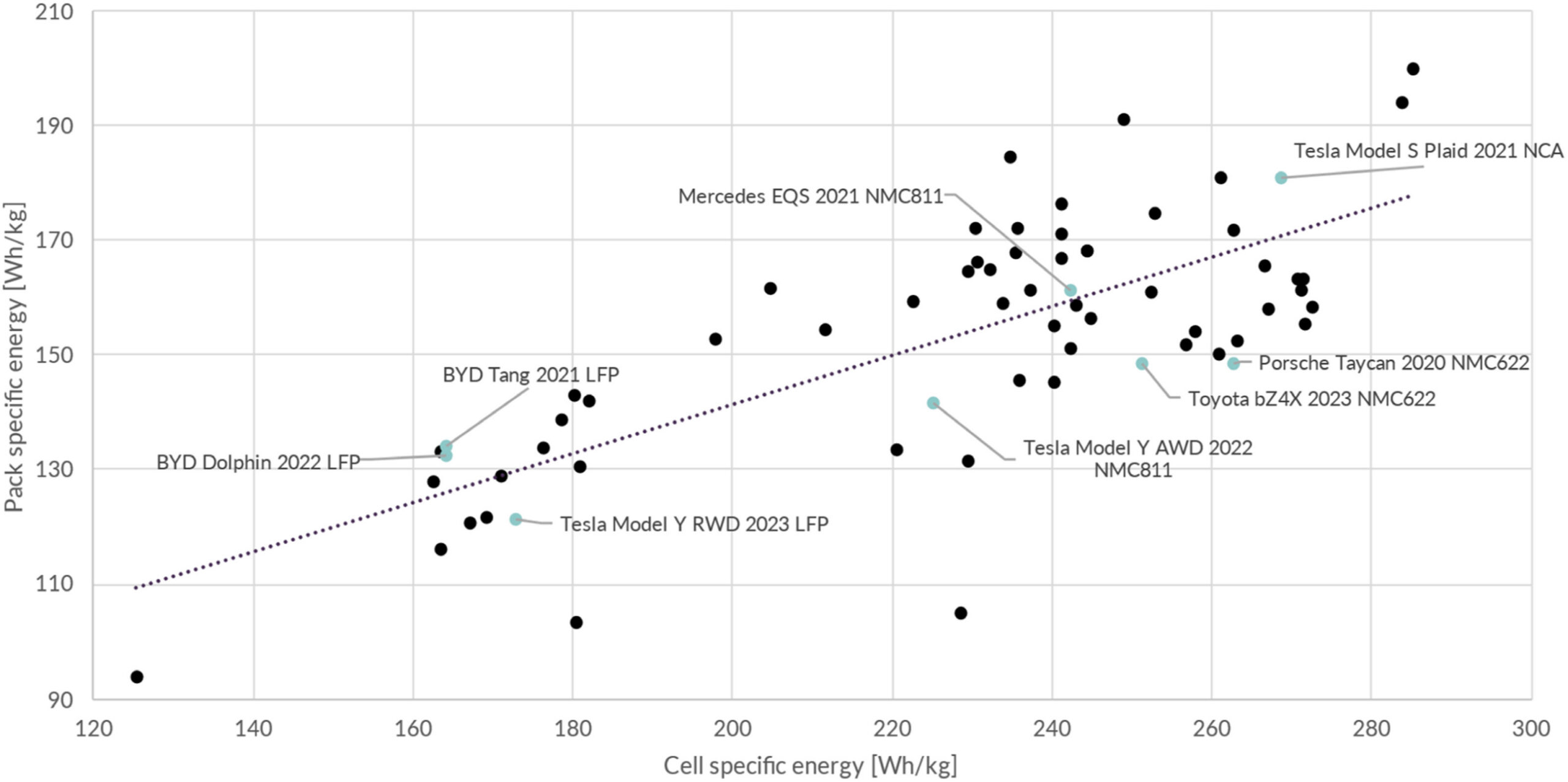
An electric vehicle battery pack is more than its cells: housings, cooling systems, wiring and electronics (the “rest of the pack”) add weight and emissions too. Researchers took apart eight real battery packs with four common cell chemistries (NMC622, NMC811, NCA and LFP) and recorded around 50 materials inside them. This shows how pack design and chemistry affect how much energy a pack stores per kilogram and its environmental footprint up to the factory gate.
Depending on the design, cells made up 56–82% of the pack. The rest of the pack accounted for roughly a fifth to a third of its total climate impact.
The takeaway: smarter pack design, not just better cells, is key to more energy-dense and sustainable electric vehicle batteries.

Harmonisation of Life Cycle Assessment Practices in Horizon Europe Battery Technology Projects (June 2026)
Ever wondered why two “sustainable” batteries can have completely different environmental scores?
A new publication from the Battery Heroes cluster takes a closer look at how we assess the environmental impact of batteries – and why it’s not always as straightforward as you would think. Across Horizon Europe projects, Life Cycle Assessment (LCA) is widely used to measure how sustainable batteries really are. But different methods, assumptions, and data can make results difficult to compare.
What’s the challenge? There is currently no single standard approach – meaning that even similar studies can lead to very different conclusions.
What does the paper offer? It brings together real experience from multiple projects (including NoVOC) and proposes practical recommendations to improve transparency and data quality, make results more robust and comparable and better align research with EU policies like the Battery Regulation.